Germany's cool climate means that the best wines come from steep slopes on the banks of its great rivers, espeically the Rhine and the Mosel. Learn about the different styles produced in Germany's regions.

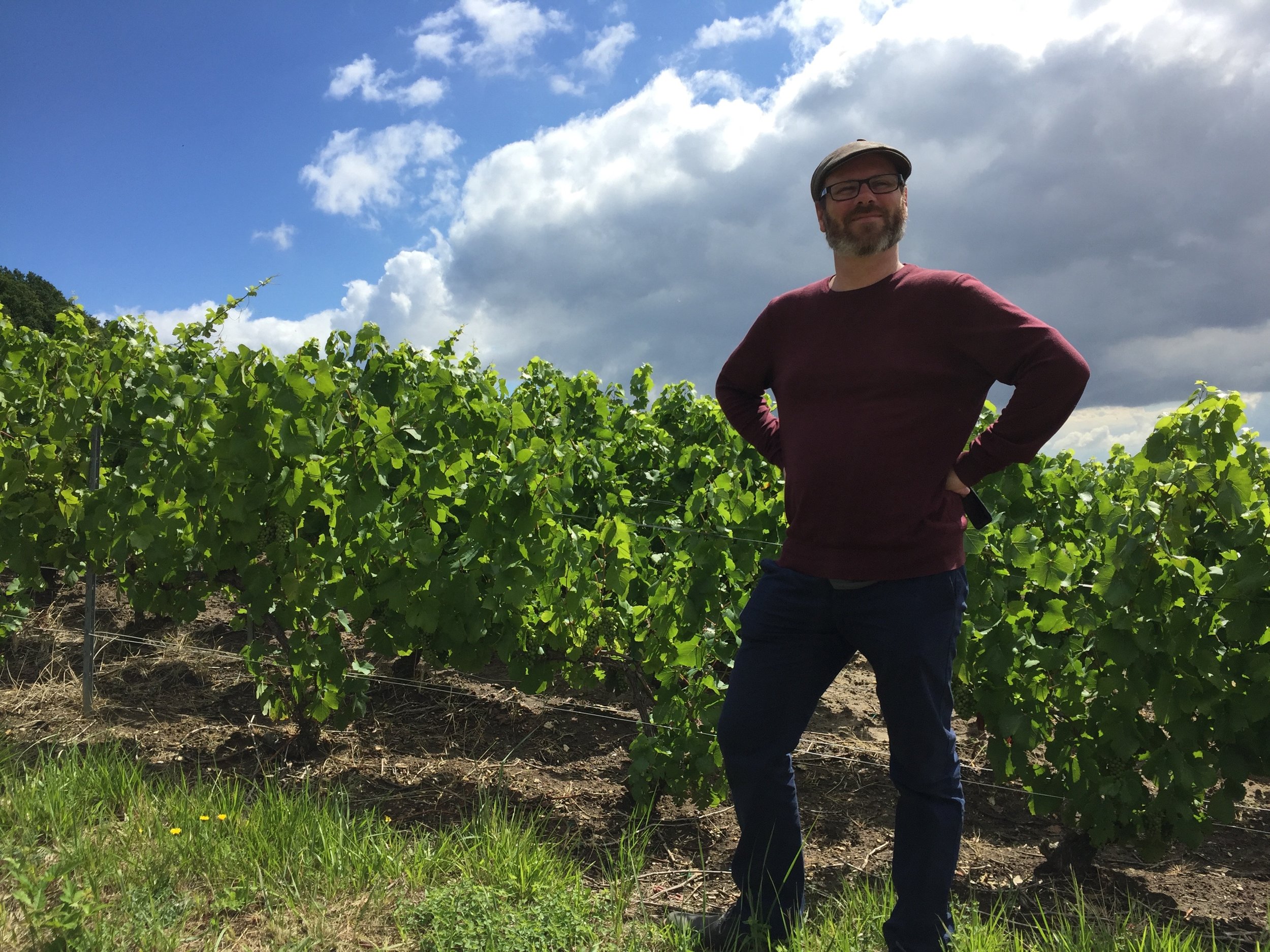
This blog began as a record of taking the WSET Diploma, during which I studied and explored wines and spirits made all around the world. Having passed the Diploma and become a WSET Certified Educator, the blog has become much more: a continual outlet for my passion for the culture of wine, spirits, and beer.
I aim to educate in an informal, enlightening, and engaging manner. As well as maintaining this blog to track my latest enthusiasms, I provide educational tastings for restaurants and for private groups. Details can be found on the website, and collaborations are welcome.
Wine is my primary interest and area of expertise and this blog aims to immerse the reader in the history of wine, to understand why wine tastes like it does, and to explore all the latest news. At the same time, beer and spirits will never be ignored.
For the drinker, whether casual or professional, today is a good time to be alive.
Germany's cool climate means that the best wines come from steep slopes on the banks of its great rivers, espeically the Rhine and the Mosel. Learn about the different styles produced in Germany's regions.
Germany is one of the great wine-producing countries, but its labels can be daunting. This episode helps you decipher them by understanding the German classification system, the styles of wine, and the grape varieties.
Some of the greatest wines of the world are sweet, made in historic regions such as Sauternes, Tokaj, or Germany. There are lots of different ways of making a wine sweet, some of them simple, some of them complex and expensive. This episode explores the many different styles of sweet wine and the regions in which they are made.
South-West France is one of the most historic wine-producing regions of France, but it's been overshadowed internationally by Bordeaux. There are plenty of high-quality, good-value, and distinctive wines to be found - definitely a region worth seeking out. Learn more about the different, individual appellations in this episode.
France's largest wine region, Languedoc is re-inventing itself, with a greater emphasis on quality than ever before. Learn about the different appellations and styles of wine in this good-value, underrated region.
Alsace is one of the more unusual wine regions in France, because of its historic German connections. It produces aromatic, ageworthy white wine from a variety of grapes, the best of which is Riesling. This episode focuses on what makes Alsace so distinctive and special.
An overview of one of France's classic and historic wine regions, Bordeaux, exploring its history, climate, sub-regions, and grape varieties.
The southern Rhône has a much wider variety of grapes than the northern Rhône. The main grape is Grenache, but the wines are usually blends with Syrah and Mourvèdre playing an important part. Add whites and rosés to the mix and the southern Rhône produces an exciting diversity of wines.
The northern Rhône produces some of the world's finest wines from Syrah, as well as Viognier and Marsanne, from spectacularly located slopes on the banks of the river Rhône.
Matthew's World of Wine and Drink is an educational podcast dedicated to teaching you all about the world of wine - different styles, regions, grape varieties, and its history and culture. It's designed for students taking wine courses such as the WSET, as well as the wine enthusiast. This episode focuses on one of the great grape varieties, Pinot Noir, and the different regions around the world it's grown in.
Beaujolais produces some of the best-value wines in France, as well as some of the most surprisingly diverse and ageworthy. Learn that Beaujolais isn't just about Beaujolais Nouveau!
Terroir is a nebulous and often controversial concept, but it's integral to understanding the subtle variations in styles of wine. Find out how terroir varies from region to region in France and the rest of the world.
Less regarded than the wines of the Côte d'Or, Côte Chalonnais and Mâconnais produce great-value alternatives for both Chardonnay and Pinot Noir.
Producing some of the world's greatest Chardonnay - as well as some Pinot Noir - the Côte de Beaune is one of the most romantic and subtly diverse regions in the world.
The Côte de Nuits produces some of the world's greatest Pinot Noir. Find out what makes is so unique in this podcast.
The cool climate of Chablis results in Chardonnay wines with acidity and reserved aromas.
There is an incredibly diverse style of wines produced in the Loire: white, red, rosé, and sparkling from grape varieties such as Melon, Chenin Blanc, Sauvignon Blanc, and Cabernet France.


