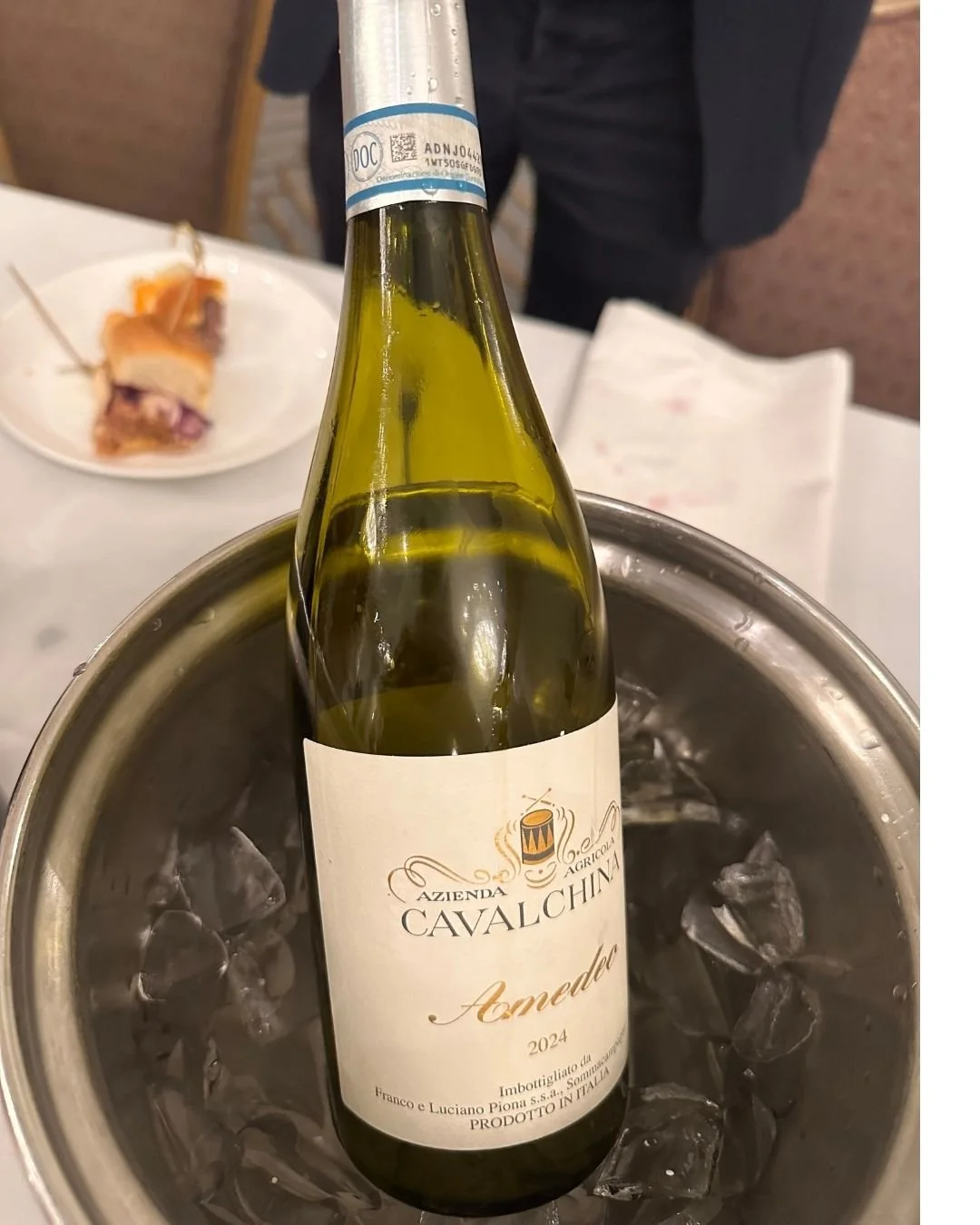
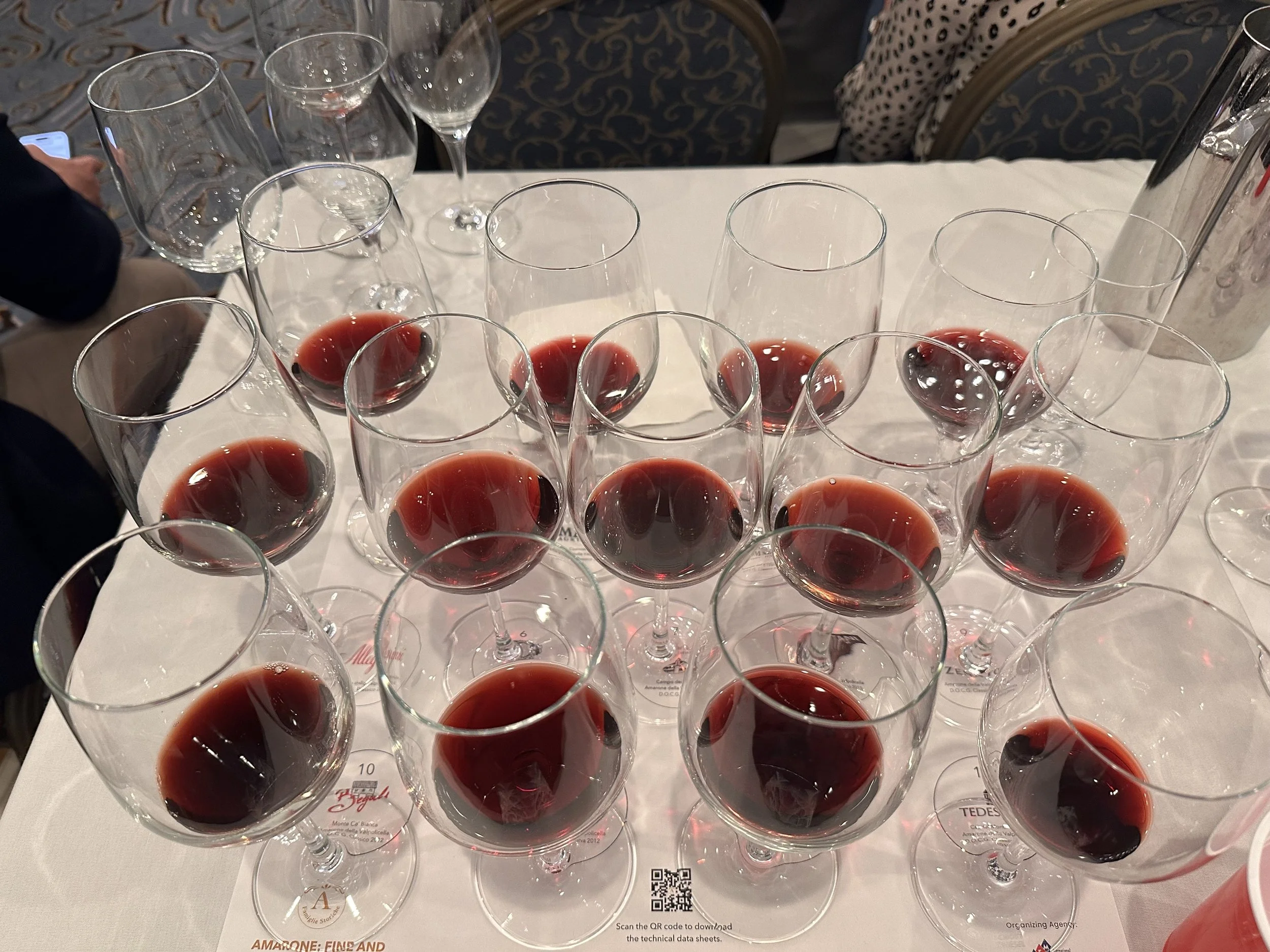
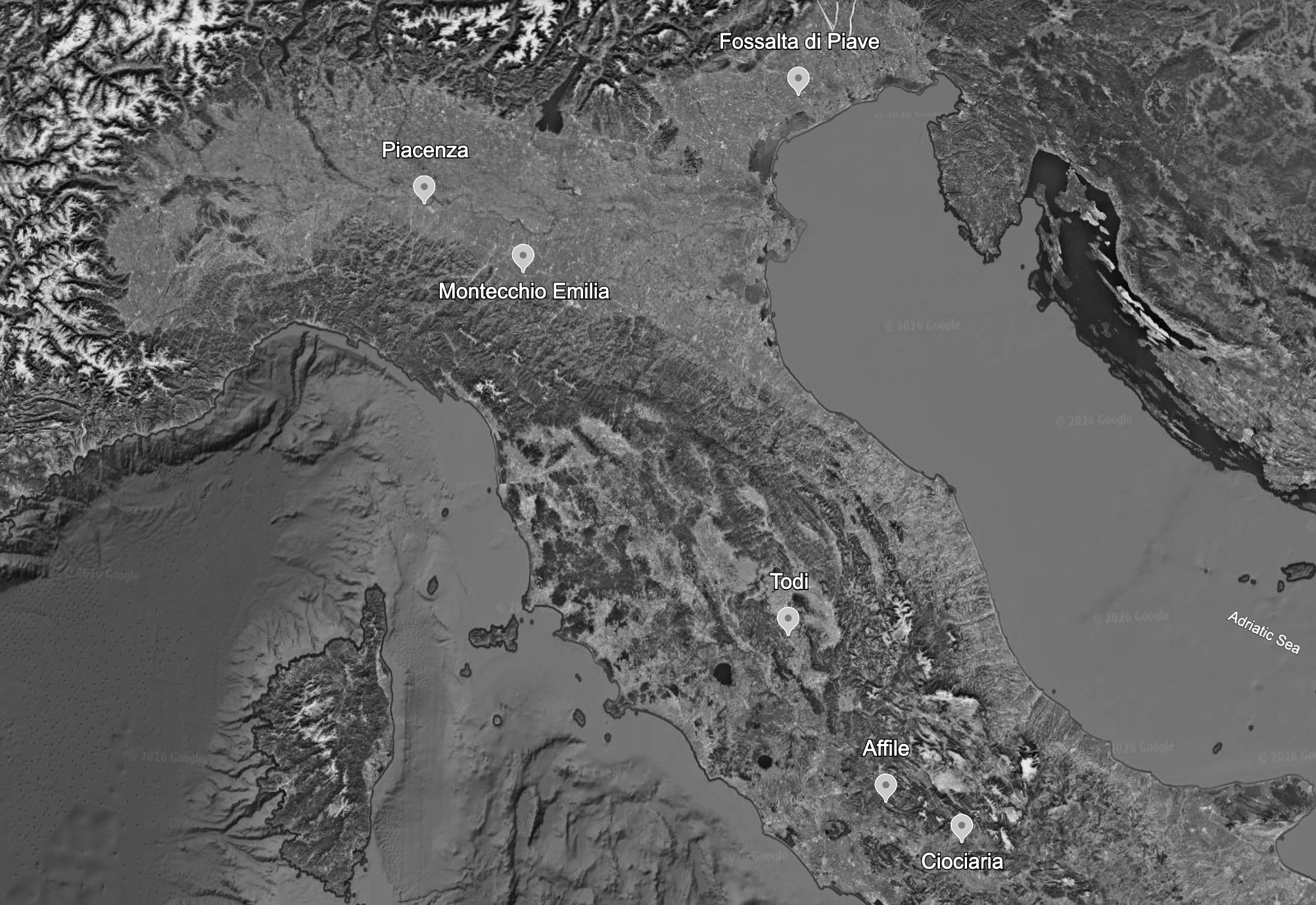
At a recent tasting, I discovered some more of Italy’s many grape varieties that I had never heard of before: Colorino, Cesanese, Passerina, Bellone, Ortrugo, Rabaso, Pico Ross, Malbo Gentile, Maestri, all obscure but historic.
This blog began as a record of taking the WSET Diploma, during which I studied and explored wines and spirits made all around the world. Having passed the Diploma and become a WSET Certified Educator, the blog has become much more: a continual outlet for my passion for the culture of wine, spirits, and beer.
I aim to educate in an informal, enlightening, and engaging manner. As well as maintaining this blog to track my latest enthusiasms, I provide educational tastings for restaurants and for private groups. Details can be found on the website, and collaborations are welcome.
Wine is my primary interest and area of expertise and this blog aims to immerse the reader in the history of wine, to understand why wine tastes like it does, and to explore all the latest news. At the same time, beer and spirits will never be ignored.
For the drinker, whether casual or professional, today is a good time to be alive.
At a recent tasting, I discovered some more of Italy’s many grape varieties that I had never heard of before: Colorino, Cesanese, Passerina, Bellone, Ortrugo, Rabaso, Pico Ross, Malbo Gentile, Maestri, all obscure but historic.
Think all prosecco tastes the same? Think again. An overview of the different styles of prosecco, which are much more varied and historic than the commercial, inexpensive versions which dominate the market: one style, Col Fondo or Sui Lieviti, is even unique to the region.
I went to a tasting of Abruzzo wines to see if Montepulciano d’Abruzzo can convince: I came away much more excited by the whites from Pecorino, Trebbiano d’Abruzzo, and a variety I’d never heard of before, Cococciola.
The village of Montalcino produces some of Italy's greatest wine from the Sangiovese grape.
As Germanic as it is Italian, Alto Adige produces very different wines from the rest of Italy.
Hundreds of grape varieties are grown across Italy, making it difficult to distinguish the good from the bad. Sagrantino is one variety worth seeking out, as dark and tannic as it is.
Sparkling wine was first produced in Franciacorta in 1961, and it quickly established itself as the premium Italian sparkling wine region. A tasting of eight wines showed that quality is consistently high, but that producers have a difficulty in marketing the wines: they’re most definitely not prosecco, but nor are they champagne. How to position Franciacorta?