Provençal Rosé
Rosé from Provence has become so popular, it’s now something of a cliché: it’s pale coloured, all taste the same, and is only drunk by tourists (and there are a lot of tourists in Provence, it’s true). But it’s more varied than that, as there are several different appellations for rosé in the region, showing the variety of wines made, not least Bandol, the greatest region for rosé in the world.
I recently attended an event in San Francisco arranged by the French consulate to promote producers who don’t have an importer into the USA, or are looking for greater exposure. It was the rosés from Provence which, much to my surprise, attracted my interest the most. Some were exactly as one would expect them to be, but others were quite exciting and made me realise the range of wines made in Provence. Easy-drinking rosé is summertime fun, but there is serious rosé that can be paired with many food dishes and which take one to the beauty and culture of Provence.
If Provence has become a cliché in general, it’s because of various artists and writers: Van Gogh lost his ear in Arles, the wonderful writer Sybille Bedford grew up in Provence (she writes beautifully about wine), the Rolling Stones recorded Exile on Main Street in a Provençal mansion, Peter Mayle wrote A Year in Provence, the most bourgeois and English book ever written. There’s a reason they were all attracted to Provence: it was remote and rural, an escape from industrial modernity. I first visited St-Tropez in the 1980s, when there was just one road in and out, and the traffic was horrendous. But in the nineteenth century, there was no road at all—the seaside village could only be accessed by boat, and that was its appeal.
It’s all changed since then. The road into St-Tropez is now a dual carriageway, tourists flock the region, and its wines are well-known, especially rosé. It’s hard to imagine now that Provence was an unknown region with its own dialects (Provençal and Niçois); nor that anyone took rosé even remotely seriously. Now, rosé is commonly consumed around the world, not just in Provence and not just during the summer. And Provençal rosé has influenced producers in many different countries, which emphasises stereotypes but has also increased the overall quality and consolidated positive perceptions of rosé.
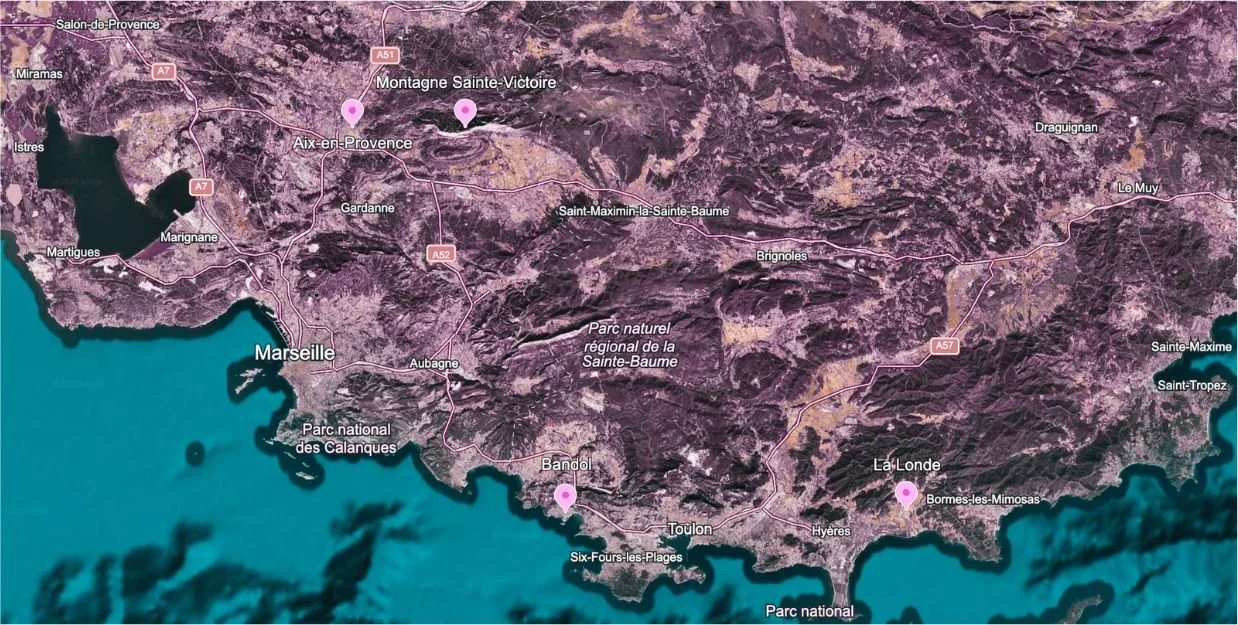
Château Pas du Cerf are based in La Londe, near Toulon on the Mediterranean coast. The Mediterranean sea has a clear influence on the wines of Provence, the warm, sunny climate moderated by the cooling breezes, which is why the region is ideal for rosé and attracts so many visitors. La Londe is not an appellation I had heard of before, but looking at the map the location is clearly ideal. Pas du Cerf, run by three sisters, produce several rosés (which accounts for 70% of their production). My favourite wine of the several I tasted was “Diane,” which is 70% Grenache, 20% Tibouren, and 10% Cinsault. Grenache based blends with Cinsault for rosé are quite common: the two varieties both have lowish tannins and red fruit aromas. Tibouren (called Rossese in neighbouring Italy) is more unusual as plantings are scarce, but it’s also ideal for rosé as well as light-coloured red wines. “Diane” had a delicious richness to it: an example of a serious but very drinkable rosé.
The Domaine des Diables rosés perhaps plays to Provençal clichés a little too much: they have a range of wines labelled “MiP”—”Made in Provence.” But I enjoyed the wines. They make rosé under the Côtes de Provence AOC, as well as the more specific Sainte-Victoire, a mountainous appellation from nine villages. They make several rosés, some of them Syrah based, some of them Cinsault based. Like nearby southern Rhône, the blend is all-important. Rolle (aka Vermentino) plays a fun part, a white variety which adds acidity and a saline character.
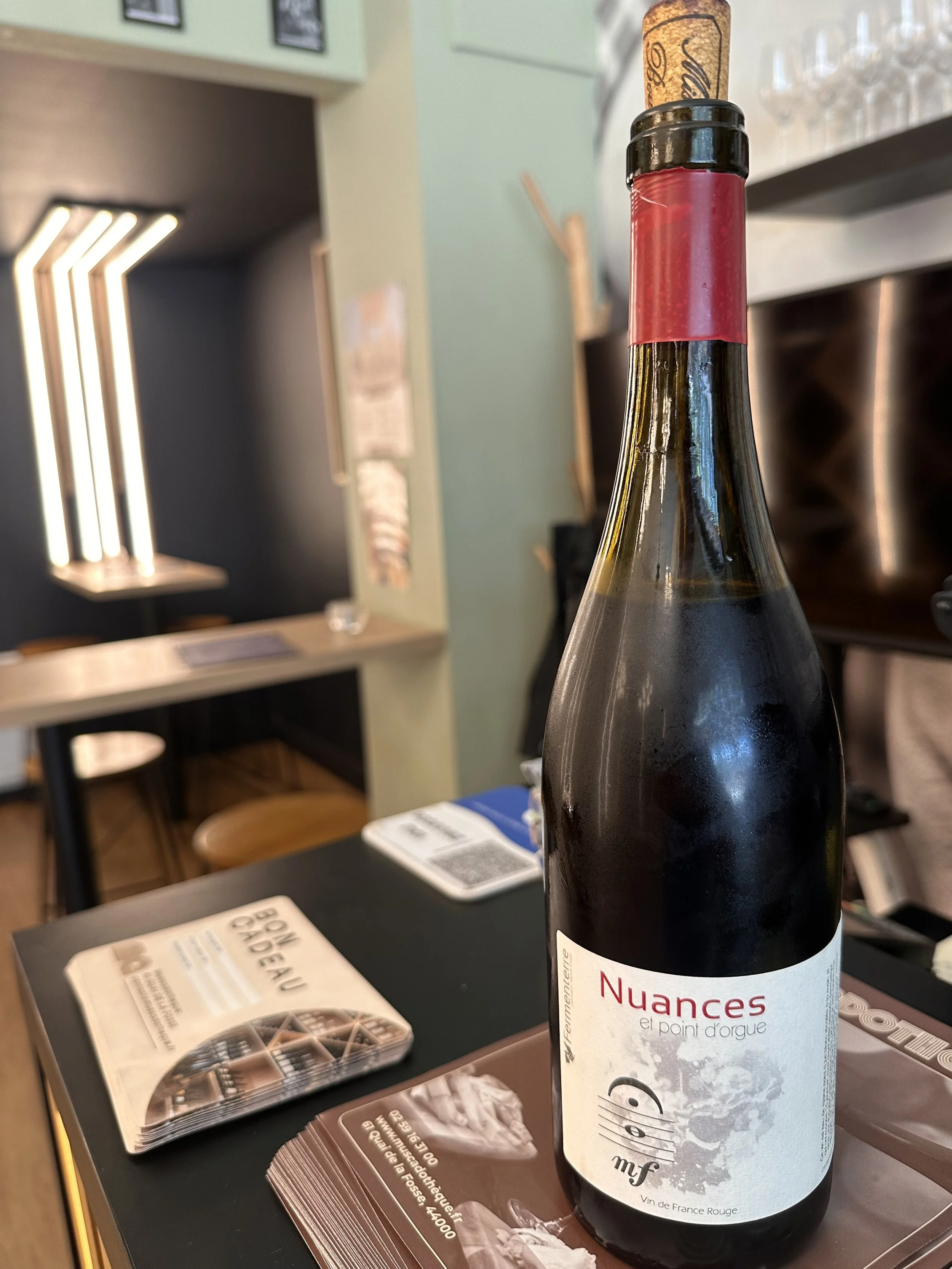
Co-operatives often get dismissed as only producing basic wine, but there are some committed to quality. Les Vignerons de Grimaud make many wines from grapes grown by their members; many of them are rosé (I tasted seven! ) and perfectly enjoyable. These wines once again demonstrated how appropriate Grenache and Cinsault are for rosé. The two highlights were “1,2,3 Soleil” and “Nuances,” both Grenache, Syrah, Cinsault blends and if you were to find these wines in France they would be less than €6…
Rosé should not be dismissed. It may be that most of the wines are not ageworthy, but who cares? We’re here to enjoy wine today. Provençal rosé can be simple; it can be complex; it can fall somewhere in between. In all three cases, it’s a more interesting category to explore than might be expected.