california, oak, alcohol
I’ve been living in California for twelve years now. During that time I’ve tasted thousands of wines, experiencing the whole spectrum of the state. It’s a vast place, with a population of 39 million people, its climate changing from cool coastal to hot continental and everything in between. Its size is reflected in the diversity of the wines: pale-coloured wines made with carbonic maceration; sparkling wine; lean, high-acid wines; the joyous fruitiness of Zinfandel. But, for all that, there’s a stereotype about California wine: it’s big, bolshy, full of alcohol, like tasting oak in an extraordinarily expensive jam jar. “Go big or go home,” as the saying goes.
Sadly, there’s some truth to that stereotype. Even though—or perhaps because—I live in the heart of California wine country, I’ve become jaded about the wines, fruit bomb after fruit cocktail. Even those producers who make comparatively more restrained wines can be too much in alcohol and ripeness. It doesn’t have to be that way, but it’s what domestic and important international markets expect. Producers understandably rely on commercial trends to succeed financially, but it makes tasting California wine hard work.
Here are some admittedly extreme examples in terms of price. I once tried Screaming Eagle’s Sauvignon Blanc, which retails (if you can get it) for around $3,000. Yes, $3,000 a bottle. The most charitable description is it tasted like a basic Marlborough Sauvignon Blanc. The two wines of Hundred Acre cost $500 and $700 respectively; aged in oak for several years, they are literally undrinkable. I just tasted the second label of Scarecrow, M. Etain ($250-300), and after one sip I contemplated using it as a cooking wine, and then poured the bottle down the sink—I’ve tasted plenty of high-proof whiskeys whose alcohol is more integrated (the wine’s ABV is 14.9%). The same goes for high-profile Chardonnay brands like Kistler and Konnsgaard whose wines sell for around $100 a bottle: they’re an attack of fruit, alcohol, and oak.
If it seems churlish of me to complain about extremely expensive wines that I get to try and mostly no one else does, it’s because these wines are ripping off the consumer and because it doesn’t have to be this way. Ridge’s Monte Bello, probably the greatest wine in California, also costs around $250; it’s California and ripe—as it should be—but it’s also restrained with contained alcohol and measured use of (American) oak. Cathy Corison’s wines are some of the most gorgeous expressions of Cabernet Sauvignon, true to Napa Valley without excessive use of oak. They’re expensive too, but the quality justifies the price.
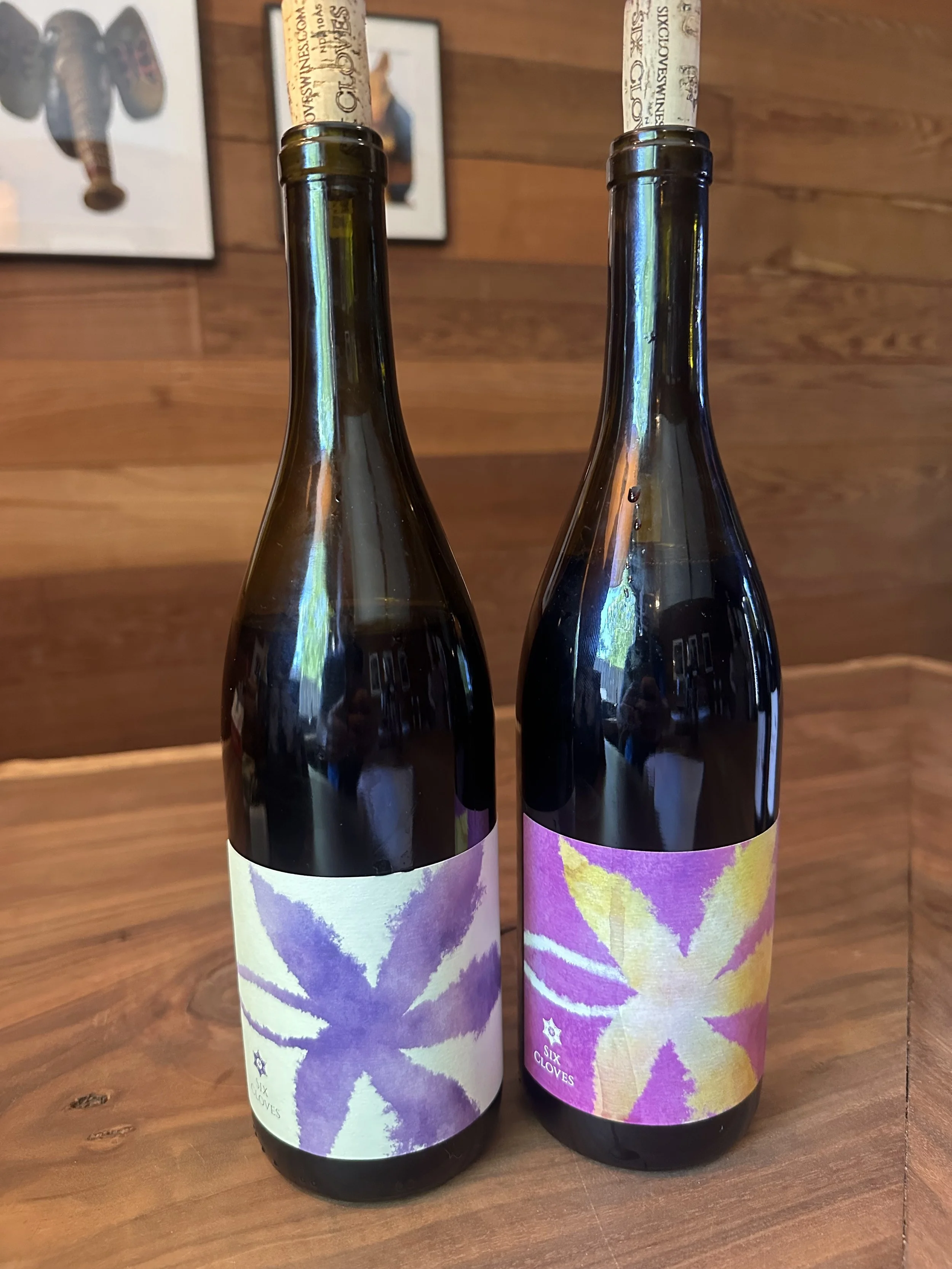
A few days after tasting the Scarecrow wine, I tried for the first time a couple of wines from Six Cloves, based here in Sonoma County. What a contrast. The owner and winemaker is Japanese with a keen appreciation for food and flavour (hence the name). The “Storm Barn” Cabernet Sauvignon ($50) is just 12.5% ABV: it is possible to make wines in California that aren’t overpriced jambusters. It’s like tasting California wines from the 1970s, balanced, subtle, and not overoaked.
The sensibility that defined California wine as it emerged into the international market in the 1970s and 80s remains, but it’s an outlier. The rise of cult wineries in the 1980s onwards means that the perception persists that wine must be good if it’s expensive and full of oak and alcohol. There’s so much more to California. Please let us all embrace that, because pouring a $250 bottle down the sink is not what got me into wine.
